
arch led mirror
Replacing Water Cut-Off Valves A Comprehensive Guide Water cut-off valves, also known as shut-off valves, play a crucial role in plumbing systems. They are designed to stop the flow of water in pipes, allowing homeowners and plumbers to perform repairs or maintenance without flooding the area. Over time, these valves can corrode, become damaged, or malfunction, necessitating their replacement. Understanding the process of replacing water cut-off valves is essential for anyone interested in home maintenance or plumbing. 1. Understanding Water Cut-Off Valves Water cut-off valves can be found in various types, including ball valves, gate valves, and globe valves. Each type functions differently, but their primary purpose remains the same to regulate water flow. Ball valves are popular due to their durability and ease of use, featuring a spherical closure element that allows for quick on/off operation. Gate valves are better suited for applications where a full flow is essential, while globe valves are often used for throttling flow. 2. Safety First Before you begin the replacement process, safety should be your top priority. Start by shutting off the main water supply to your home. It is also advisable to drain the pipes to prevent any residual water from leaking out during the replacement process. You may want to place towels or a bucket beneath the valve area to catch any leftover water. 3. Gather Your Tools To replace a water cut-off valve, you will need several tools, including - Pipe wrench or adjustable wrench - Hacksaw (if cutting is necessary) - Teflon tape or pipe joint compound - Replacement valve - Bucket or towels for cleanup Make sure you have all these tools at hand before starting the process. replacing water cut off valves 4. Remove the Old Valve Begin the removal process by loosening the nuts or screws holding the valve in place. Depending on the valve's condition, you might need to use a pipe wrench to apply more torque. If the old valve is rusted or corroded, take care not to damage the surrounding pipes. If you encounter a stubborn valve, cutting the pipe section with a hacksaw may be necessary. Remember to cut straight to ensure a proper fit for the replacement valve. 5. Install the New Valve Once the old valve is removed, it is time to install the new one. Start by applying Teflon tape or pipe joint compound to the threads of the new valve to ensure a watertight seal. Then, position the new valve in place, tightening it securely with your wrench. Be careful not to overtighten, as this can lead to damage or future leaks. 6. Test for Leaks With the new valve installed, it’s time to turn the main water supply back on. Gradually open the new valve to check if it operates smoothly. Observe the area around the valve for any signs of leaks. If you notice water seeping out, you may need to tighten the connections a bit more or reapply Teflon tape if necessary. 7. Final Steps After you’ve confirmed that everything is functioning correctly and there are no leaks, clean up the area and dispose of the old valve responsibly. Double-check that all tools are accounted for and ensure you have restored the workspace to its original condition. Conclusion Replacing water cut-off valves may seem daunting at first, but with the right tools, safety precautions, and attention to detail, it can be a manageable DIY project. Whether you’re dealing with a leaky valve or simply conducting routine maintenance, knowing how to replace these valves is a valuable skill for any homeowner. Always remember to consult a professional plumber if you encounter any challenges that exceed your comfort level. With proper care and timely replacements, you can ensure that your plumbing system functions efficiently and effectively.
about
arch led mirror
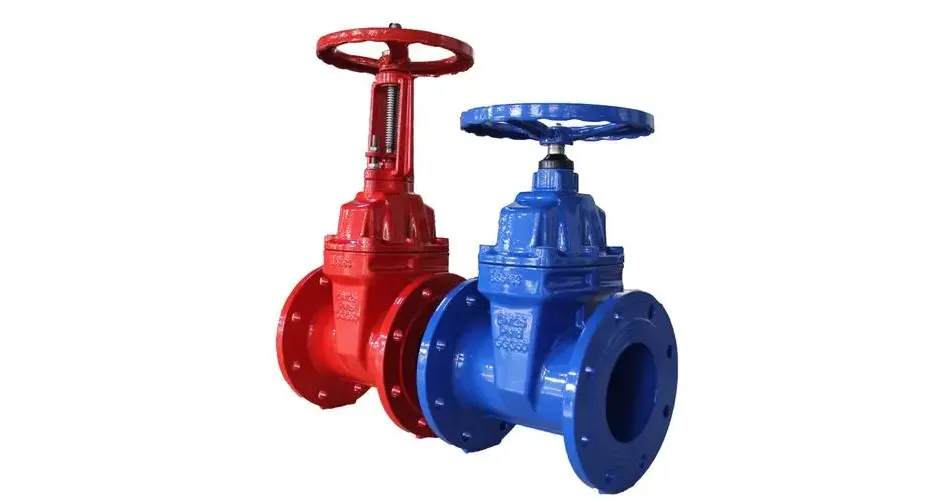
Understanding the 63mm Gate Valve An Essential Component in Fluid Control Gate valves are integral to many industrial applications, serving a critical role in the management and regulation of fluid flow. Among the various sizes and types of gate valves, the 63mm gate valve stands out for its versatility and efficiency. In this article, we will explore the features, benefits, and applications of the 63mm gate valve, shedding light on why it is essential in various industries. What is a Gate Valve? A gate valve is a type of valve used to control the flow of liquids and gases in a pipeline. It operates by raising or lowering a gate mechanism, which can either fully open or completely close the flow of fluid. This design minimizes pressure loss and provides a smooth flow, making gate valves highly effective for applications where full flow is essential. Features of the 63mm Gate Valve The 63mm gate valve is designed to accommodate pipes with a nominal diameter of 63 millimeters. Typically constructed from durable materials such as cast iron, brass, or stainless steel, these valves offer robust performance even in challenging environments. They feature a simple yet effective design, which includes 1. Rugged Construction Designed to withstand high pressure and temperature variations, making them suitable for a range of applications. 2. Ease of Operation The operation mechanism, often handwheel or gear-driven, allows for smooth opening and closing, facilitating rapid flow control. 3. Low Flow Resistance The straight-through design ensures minimal turbulence and pressure drop, which is critical in maintaining system efficiency. Benefits of Using a 63mm Gate Valve gate valve 63mm 1. Reliability With their straightforward design and fewer moving parts, gate valves are known for their reliability and long service life. This makes them a preferred choice in critical applications. 2. Versatility The 63mm size makes these valves suitable for various hydraulic applications, whether in water supply systems, sewage treatment plants, or industrial processes. 3. Cost-Effectiveness While the initial investment may vary, the long-term savings on maintenance and downtime make gate valves a cost-effective solution. 4. Minimal Leak Potential When fully closed, the design of the gate valve significantly reduces the chance of leaks, ensuring safety and efficiency in fluid control. Common Applications The 63mm gate valve finds use in numerous sectors, including - Water Supply and Distribution Essential in municipal water systems for controlling flow and maintaining pressure. - Fire Protection Systems Used in fire hydrant systems to regulate water supply effectively. - Industrial Processes Commonly found in chemical processing, oil and gas applications, and power generation plants. Conclusion In conclusion, the 63mm gate valve plays a vital role in fluid management across various industries. Its reliability, versatility, and efficient design make it an essential component in ensuring smooth and controlled fluid flows. As industries continue to evolve, the importance of such valves in optimizing operations and maintaining safety cannot be overstated. From municipal water systems to complex industrial applications, the gate valve remains a cornerstone of modern engineering solutions. Investing in high-quality gate valves is not merely about compliance but about enhancing operational efficiency and ensuring long-term reliability.
-

High quality industrial productsagement

High quality industrial products
View Details -

Meet the diverse needs of customers

Meet the diverse needs of customers
View Details -

Strict quality control

Strict quality control
View Details -

Top raw materials

Top raw materials
View Details -

Trusted supplier

Trusted supplier
View Details
Our application
news and information
Y Type Strainer Applications and Benefits for Efficient Fluid Management
The Importance of Y-Type Strainers in Industrial Applications Y-type strainers play a crucial role i
Wholesale Options for High-Quality Ball Valves in Various Sizes and Materials
The Growing Market for Ball Valve Wholesale Trends and Insights In the world of plumbing and industr

Water valve fails to close properly and leaks persist
Troubleshooting a Water Valve That Won't Shut Off Encountering a water valve that refuses to shut of
 English